

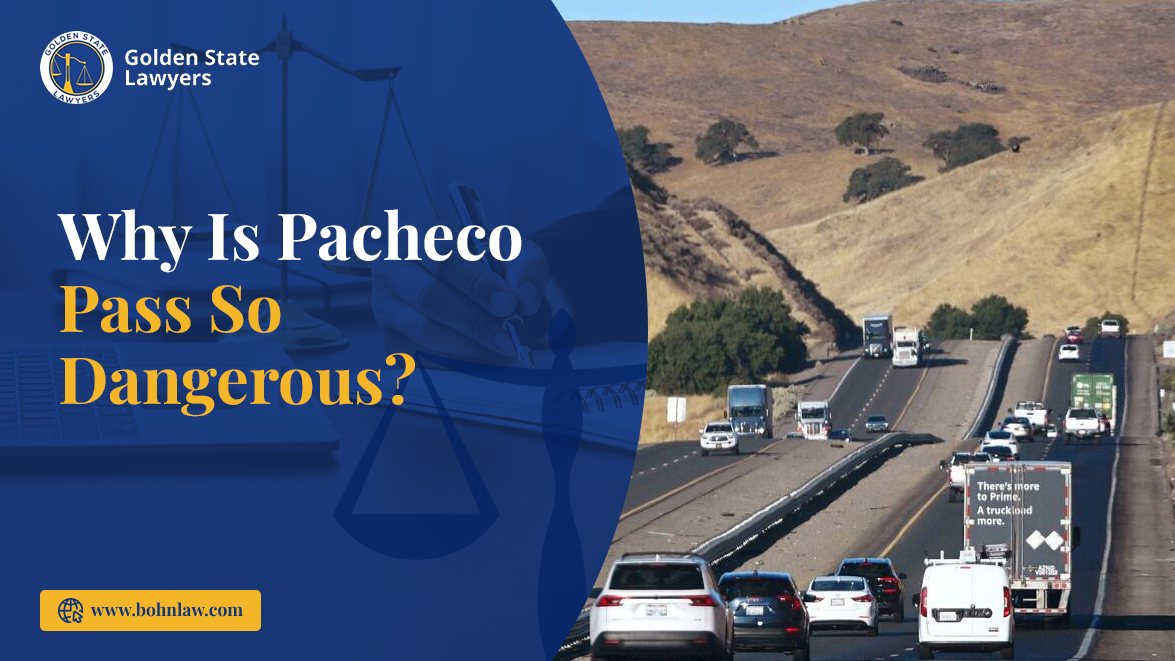
Pacheco Pass can be dangerous because several roadway hazards occur simultaneously. Steep grades, winding sections, heavy truck traffic, changing speeds and strong winds can challenge even experienced drivers. State Route 152 also carries commuters, commercial vehicles and recreational traffic between major California regions. That traffic mix creates frequent speed differences on mountain grades. Weather can make conditions harder by reducing visibility or vehicle stability. Understanding these risks that make Pacheco Pass dangerous helps you anticipate trouble, adjust your driving and navigate the corridor with greater caution.
| Key Takeaways: Pacheco Pass is dangerous because steep grades, curves, trucks, changing speeds and weather combine. Heavy commercial traffic creates major speed differences on uphill and downhill stretches. Wind, rain, darkness and limited sight distance can reduce reaction time. Slower speeds, greater following distance and careful planning can lower crash risk. |
Where Is Pacheco Pass and Why Is It Important?
Pacheco Pass carries State Route 152 across California’s Coast Range. The highway connects the South Bay with the Central Valley. It also serves travelers moving between Gilroy, Los Banos, Interstate 5 and nearby agricultural regions. Caltrans places the pass at approximately 1,368 feet elevation.
That location makes SR-152 important for more than everyday commuting. Freight carriers use the route to move agricultural and commercial goods. Recreational traffic also increases during weekends and busy travel periods. Caltrans has noted that some weekend peak hours can exceed weekday traffic peaks.
What Makes Pacheco Pass So Dangerous?
No single feature explains the roadway’s reputation among drivers. Instead, several challenges develop together across a relatively demanding mountain corridor. One moment may involve slow-moving trucks uphill. Minutes later, you could face wind, curves, congestion or rapidly changing traffic speeds.
1. Steep Grades Create Large Speed Differences
Steep grades change how vehicles move through traffic. Fully loaded commercial trucks often lose considerable speed while climbing. Meanwhile, lighter passenger vehicles may continue traveling near highway speeds.
That difference can close gaps surprisingly fast. A driver approaching a slow truck may brake suddenly or change lanes quickly. Traffic can also stack behind commercial vehicles during busy periods. Transportation planners have proposed eastbound truck climbing lanes specifically to separate slower vehicles from faster traffic.
2. Long Descents Increase Braking Demands
Going downhill creates a different set of challenges. Heavy vehicles naturally gain momentum during long descents. Because trucks carry much greater mass, they also need more distance to slow safely.
Repeated braking may generate considerable heat within a heavy vehicle’s braking system. Drivers therefore need controlled speeds and greater spacing during descents. Passenger vehicles should also avoid cutting closely in front of trucks. A gap that looks generous in a car may provide little stopping room for a loaded tractor-trailer.
3. Curves Can Reduce Sight Distance
Mountain roads rarely provide clear views far ahead. Curves can hide slowing vehicles, debris, traffic backups or changing lane conditions until you approach them.
Reduced sight distance gives you less time to recognize danger. Higher speeds make that problem worse because stopping distance increases quickly. Earlier corridor studies also identified winding sections and curve-related design concerns. Proposed improvements have included curve corrections intended to improve safety and truck maneuvering. For drivers, the safest habit remains simple. Slow before entering a curve rather than braking aggressively inside it.
4. Heavy Truck Traffic Changes Traffic Flow
Commercial trucks form an important part of SR-152 traffic. Caltrans reported that trucks represented more than 17.4% of traffic across two segments between Interstate 5 and the Santa Clara County line.
That traffic matters because trucks accelerate, brake and maneuver differently from passenger cars. Their blind spots are larger while lane changes require more space. Uphill sections widen speed differences even further. Trucks aren’t inherently unsafe. However, mixing heavy freight vehicles with faster cars creates conditions requiring more patience from everyone.
5. High Speeds Leave Less Room for Error
Speed becomes especially important when roadway conditions change suddenly. A vehicle traveling quickly covers substantial distance before its driver can react.
Imagine rounding a bend and finding traffic backed up ahead. At a moderate speed, you may have enough space to brake smoothly. At a higher speed, your safe options shrink quickly. Rear-end collisions can happen when drivers fail to anticipate slower traffic.
Speed differences create another problem. Passing a slow truck may tempt drivers into abrupt lane changes. That decision can place nearby vehicles inside blind spots or narrow following gaps.
6. Strong Winds Can Affect Vehicle Stability
Wind can make Pacheco Pass particularly demanding for high-profile vehicles. Trailers, recreational vehicles, campers and trucks present large side surfaces to crosswinds.
Strong gusts can push these vehicles sideways unexpectedly. Smaller vehicles may also feel sudden changes when passing large trucks because airflow shifts around them. Caltrans sometimes issues high-wind advisories for the Pacheco Pass portion of SR-152 and may discourage travel for trailers or campers during stronger conditions.
During windy periods, keep both hands steady on the wheel. Give larger vehicles additional room during passing maneuvers.
7. Fog, Rain and Darkness Reduce Visibility
Poor visibility can turn familiar pavement into a different roadway entirely. Fog may hide traffic ahead while darkness makes distances harder to judge. Rain creates additional problems by reducing tire grip.
Wet roads also increase the distance your vehicle needs for braking. Combining rain with curves and downhill grades raises the stakes further. Even light precipitation should encourage smoother steering, earlier braking and longer following gaps.
At night, avoid driving faster than your headlights allow. You need enough visible roadway to recognize hazards and stop safely.
8. Rockfall and Hillside Conditions Add Another Hazard
Mountain terrain can create dangers unrelated to other vehicles. Slopes beside the highway may release rocks or debris onto travel lanes.
Caltrans has previously performed rock scaling and slope-cutting work along Pacheco Pass Highway to reduce falling-rock hazards. Crews specifically targeted locations where rocks could enter the roadway.
Debris creates an immediate decision for approaching drivers. Sudden swerving may trigger a second collision while hard braking can surprise following traffic. Maintaining extra space gives you more options when unexpected objects appear ahead.
Why Do Trucks Make Pacheco Pass More Challenging?
Large trucks face unique physical limits on mountain highways. Weight affects acceleration while momentum affects braking. Those differences become more obvious on steep sections.
Several factors deserve extra attention:
- Uphill travel: Loaded trucks may lose speed quickly while climbing.
- Downhill travel: Heavy vehicles need additional distance for controlled braking.
- Blind spots: Cars can disappear beside large trailers and tractor units.
- Lane changes: Trucks need wider gaps before safely changing lanes.
- Wind exposure: Tall trailers can react strongly to sudden crosswinds.
- Impact force: Heavy vehicle collisions may cause particularly severe damage.
California also maintains commercial vehicle inspection infrastructure around the Pacheco Pass corridor. That reflects the route’s important role in freight movement.
The safest approach is predictable driving. Avoid lingering beside trucks and don’t move directly into their stopping space.
Does Traffic Congestion Increase Accident Risk?
Congestion becomes dangerous when traffic speeds change faster than drivers expect. A line of vehicles may be moving normally before suddenly coming to a standstill.
Those abrupt transitions can lead to rear-end crashes. Drivers may also make aggressive lane changes when they become impatient. Weekend travel adds another layer because recreational traffic overlaps with commercial and commuter trips.
Historical corridor research identified congestion and bottlenecks as significant transportation concerns. That research also linked collisions and breakdowns with additional delays along SR-152.
When traffic looks heavy, leave more space than usual. That buffer gives you valuable braking time when vehicles suddenly slow.
Are Some Parts of SR-152 More Dangerous Than Others?
Conditions across SR-152 aren’t identical. The broader corridor includes mountain grades, expressway sections, intersections, interchanges and areas with different access patterns.
Some locations create risks through steep terrain. Others involve turning vehicles, merging traffic or local road access. Historical transportation studies found higher collision rates at several corridor locations rather than one single trouble spot.
That distinction matters when discussing Pacheco Pass safety. You shouldn’t assume every mile presents the same hazards. Instead, adjust your driving as roadway design, traffic density, visibility and elevation change.
What Types of Accidents Can Happen on Pacheco Pass?
Different roadway conditions can produce several collision patterns. The exact cause always depends on the circumstances surrounding each crash.
Rear-End Collisions
Sudden slowdowns can create serious rear-end risks. Congestion, curves and slow-moving trucks may force drivers to brake unexpectedly. Following too closely leaves little room for correction when traffic compresses.
Truck Accidents
Truck crashes may involve blind spots, long stopping distances, lane changes or grade-related speed differences. Because commercial vehicles weigh substantially more than passenger cars, resulting injuries can also be severe.
Lane-Change and Sideswipe Accidents
Passing slower traffic can create sideswipe risks. Drivers may misjudge available space or enter another vehicle’s blind spot. Quick weaving becomes especially dangerous when surrounding vehicles travel at different speeds.
Loss-of-Control Accidents
Wind, wet pavement, excessive speed and abrupt steering can reduce vehicle stability. Curves and downhill grades may compound these problems. Smooth steering and controlled braking give your tires a better chance to maintain traction.
Head-On Collisions
Head-on risks depend heavily on roadway configuration. They become more relevant where opposing traffic lacks physical separation or vehicles leave their designated lanes. Fatigue, distraction and improper passing can increase those dangers.
Conclusion
Pacheco Pass presents greater driving challenges because several hazards often overlap. Steep grades create speed differences while heavy trucks require more stopping space. Curves can limit visibility and strong winds may affect vehicle stability. Rain, darkness, congestion and hillside debris can make conditions harder still. You can reduce your risk by controlling speed, watching traffic farther ahead and leaving generous following distance. However, even careful drivers can’t prevent every collision.
If someone else’s negligence leaves you injured on Pacheco Pass, Golden State Lawyers can review your case, explain your California legal options and help you pursue appropriate compensation.